The Corpse That Testified — and the Judge Who Listened
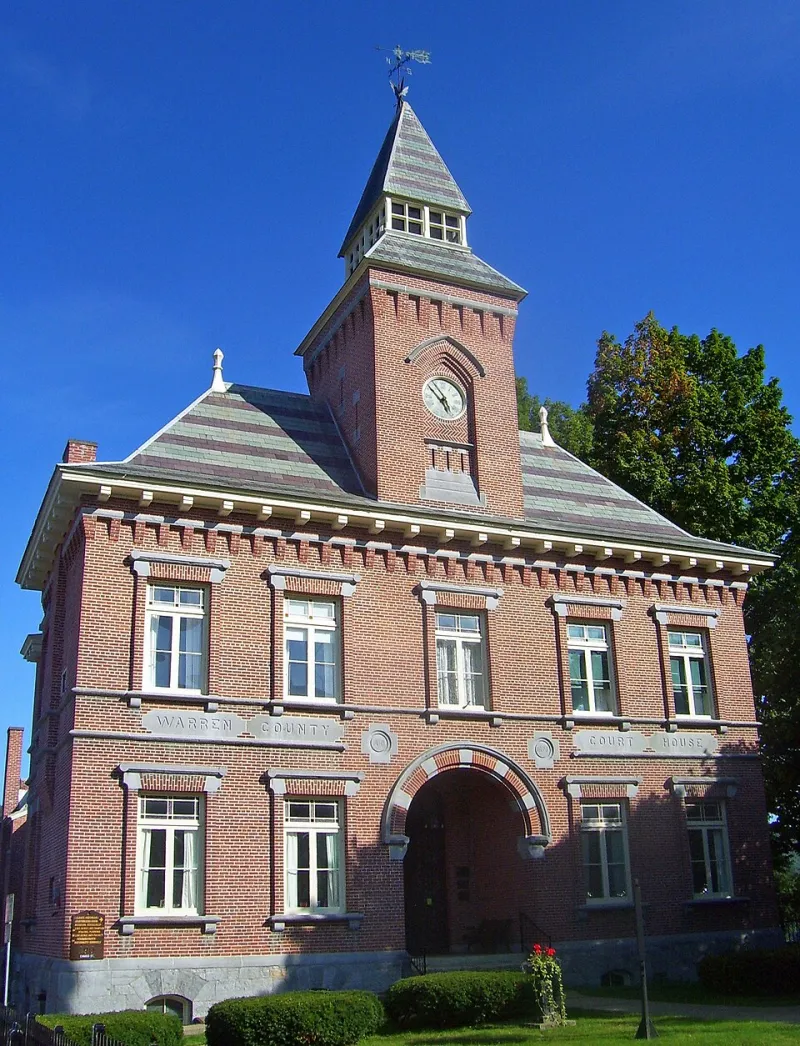
Photo: Daniel Case, CC BY-SA 3.0, via Wikimedia Commons
The Dead Don't Speak — Except When They Do
American courtrooms have hosted some genuinely strange proceedings over the centuries. Corporations have been granted the rights of persons. Animals have been named in wills. A man once successfully sued himself. But somewhere in the legal archives of the early twentieth century sits a case that manages to out-strange all of them: an inheritance dispute that was ultimately decided by evidence retrieved from a corpse — and the corpse, in a manner of speaking, won.
The case began the way these things always do: with money, family, and the particular kind of bitterness that only surfaces when someone dies without making their intentions sufficiently clear.
The Setup: A Will, a Family, and a Fight
The deceased — a prosperous landowner in the American Midwest, a man who had built a modest fortune through a combination of agricultural shrewdness and stubborn longevity — died leaving a will that satisfied almost nobody. The document was technically valid but ambiguous in ways that his surviving relatives were happy to exploit.
At the center of the dispute was a question of identity and intent. One faction of the family claimed that a key provision of the will had been added after the fact, possibly by a third party with an interest in the outcome. The other faction maintained the document was entirely authentic and that the deceased had been of sound mind and deliberate purpose when he signed it.
The problem was that the man's signature appeared twice in the contested will — once on the main document and once on an addendum that the challenging family members insisted had been forged or inserted after the original signing. Handwriting experts were brought in. They disagreed with each other spectacularly, in the way that early twentieth century expert witnesses tended to do when forensic science was still more art than discipline.
Months passed. Legal fees accumulated. The judge grew visibly tired of testimony that produced more heat than light.
When the Lawyers Ran Out of Living Witnesses
The turning point came when both legal teams, independently and almost simultaneously, reached the same uncomfortable conclusion: every living witness to the original signing was either dead, unreachable, or had given testimony so contradictory as to be useless.
One attorney — accounts differ on which side made the suggestion first, which tells you something about how desperate both camps had become — proposed the unthinkable. The deceased had suffered a distinctive injury to his right hand years before his death, an accident involving farm equipment that had left a specific pattern of damage to the bones of his writing fingers. If the injury was severe enough to have affected how he held a pen, it would show in the physical mechanics of his signature — the angle of pressure, the tremor pattern, the characteristic breaks in certain strokes.
And the only way to confirm the nature and extent of that injury was to look at the hand itself.
The judge, to his considerable credit and probable private dismay, agreed to authorize an exhumation.
What the Body Said
Forensic pathology in the early 1900s was a discipline in its adolescence. The science of reading physical evidence from human remains existed, but its application in civil legal proceedings was rare enough to be genuinely novel. The physician brought in to examine the exhumed remains was working, in some respects, without a reliable map.
What he found, however, was unambiguous.
The injury to the deceased's right hand was more extensive than family testimony had suggested. Two of the fingers most critical to holding a writing instrument had healed from fractures in a configuration that would have made certain pen movements — specifically, the fluid, looping strokes characteristic of the signature on the main document — mechanically difficult to produce after the injury occurred.
The addendum, by contrast, featured a signature with exactly the kind of compensatory adjustments a person would make when writing with a partially compromised grip: slightly altered letter angles, different pressure distribution, a subtly changed baseline. It was, the physician concluded, consistent with a signature produced by the same person writing under the same physical constraints.
In other words: both signatures were real. The deceased had signed the addendum himself, after his injury, in exactly the way his damaged hand would have required him to.
The challenging family's entire case rested on the premise that the addendum was forged. The body had just testified otherwise.
The Ruling — and What It Means
The judge ruled in favor of the faction upholding the will's authenticity, citing the physical evidence from the exhumation as the deciding factor. The written opinion noted, with the particular dry understatement that characterized judicial writing of the era, that "the physical record of the deceased's person proved more reliable than the recollections of those who knew him in life."
It's a sentence that rewards a second reading.
The case sits at a remarkable intersection of legal history and the early development of forensic science. The idea that a body could function as a witness — that physical evidence from human remains could resolve a question of intent and authenticity — was not new in criminal proceedings, but its application in a civil inheritance dispute was unusual enough to draw attention from legal journals of the period.
In an era before fingerprint databases, DNA analysis, or digital document verification, a judge effectively asked a dead man to settle his own estate — and the dead man answered.
The Part That Stays With You
What makes this case genuinely strange, beyond the gothic theater of the exhumation itself, is the quiet logic at its center. The deceased couldn't speak. He couldn't write a clarifying letter. He couldn't appear in court and explain what he meant.
But his body remembered the injury. His bones held the record of how his hand had healed and how that healing had changed the way he moved through the world — including the way he signed his name to a document that determined what happened to everything he'd built.
He testified without speaking a word.
And the judge, to his credit, was listening.