The Toothache That Saved a Soldier's Life at America's Bloodiest Battle
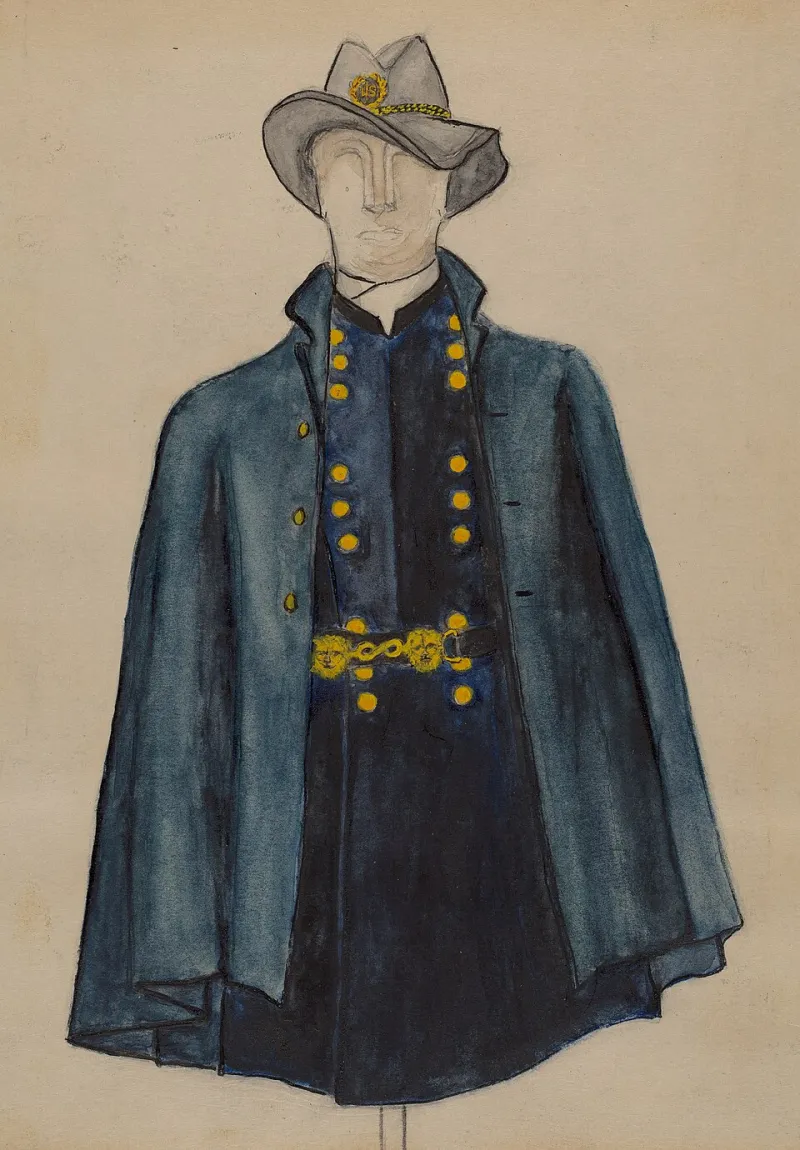
Photo: Harold Smith, CC0, via Wikimedia Commons
The Toothache That Saved a Soldier's Life at America's Bloodiest Battle
September 17, 1862, is the single deadliest day in American military history. By sundown at Antietam Creek in Maryland, roughly 22,700 soldiers had been killed, wounded, or gone missing. The cornfields and sunken roads of that battlefield soaked up more American blood in a single afternoon than almost any other event in the nation's past.
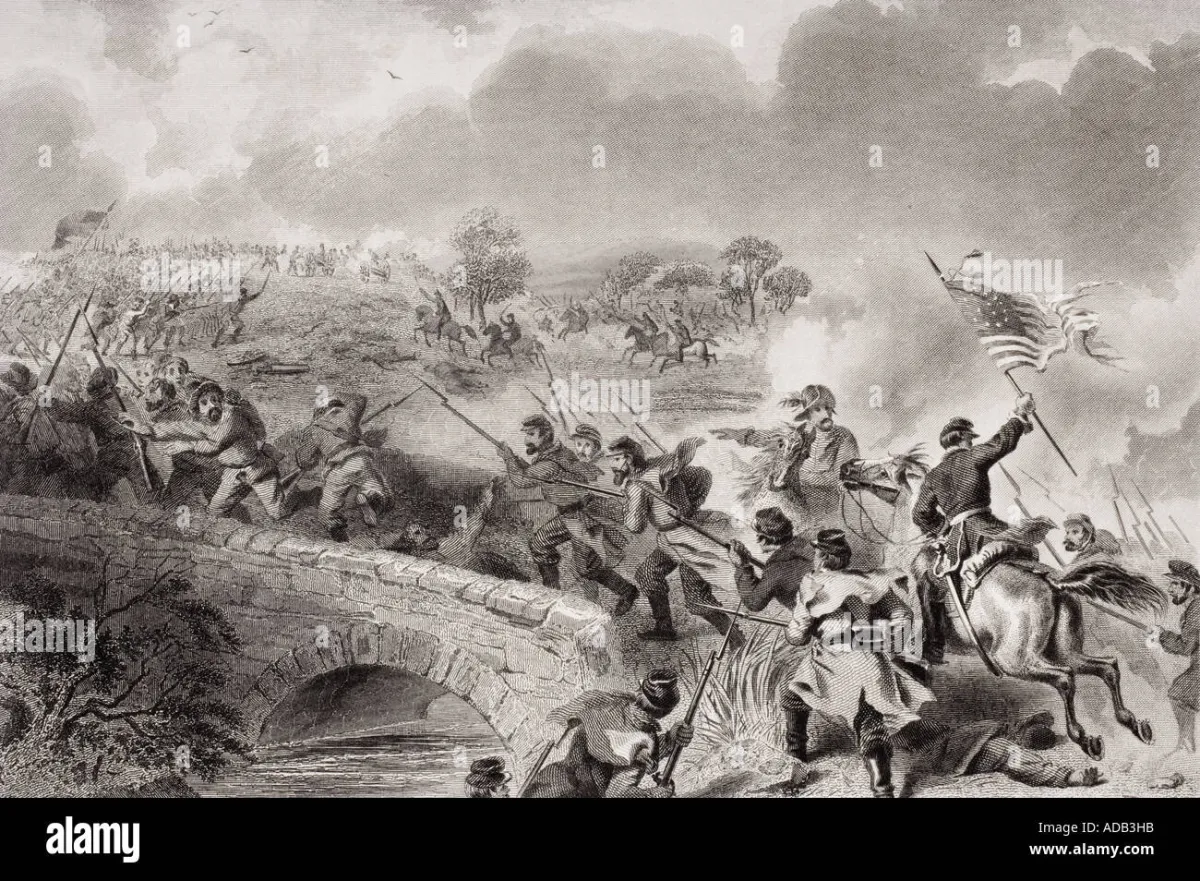 Photo: Antietam Creek, via c8.alamy.com
And one man missed most of it because his molar hurt.
A Very Bad Day to Have a Very Bad Tooth
The soldier in question — a Union private whose name appears in regimental medical logs from the Army of the Potomac — had been nursing a toothache for several days before the battle. Field dentistry in the Civil War was not exactly a spa experience. Practitioners worked with forceps, minimal anesthesia, and the kind of confident speed that comes from having an extremely long line of patients. But painful as it was, a tooth extraction was still preferable to fighting through the fog of a major engagement with a jaw on fire.
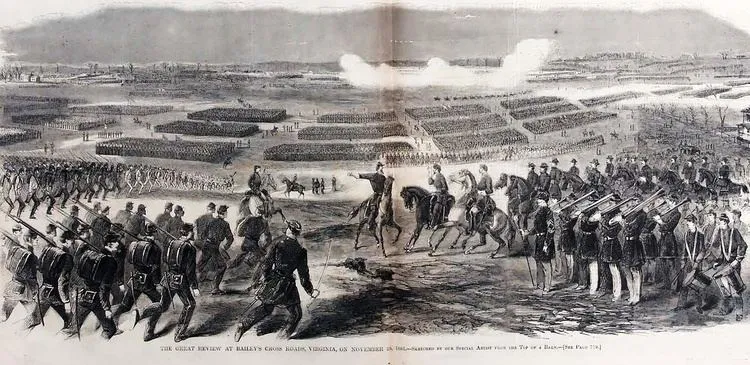 Photo: Army of the Potomac, via alchetron.com
He reported to the field surgeon's station sometime in the early morning hours of September 17th, just as General McClellan's forces were preparing to engage Lee's Army of Northern Virginia along Antietam Creek. The extraction took time. Recovery took a little more. By the time the private was cleared to return to his unit, the situation on the field had changed catastrophically.
His regiment had been ordered into the cornfield — the same cornfield that changed hands fifteen times that morning and chewed through soldiers like a machine. His company was largely destroyed in the assault.
He walked back to a unit that was barely there.
The Paper Trail That Proves It
What makes this story genuinely verifiable rather than a campfire legend is the documentation. Civil War military recordkeeping, while inconsistent by modern standards, was surprisingly detailed when it came to medical interactions. Surgeons and field medics were required to log patient contacts, and those logs — many of which are preserved in the National Archives and have been cross-referenced by Civil War historians — place specific soldiers at specific medical stations at specific times.
Historians studying regimental casualty patterns at Antietam have noted multiple cases where documented medical absences correlate directly with survival against the statistical odds of a soldier's unit. The private with the toothache is among the clearest examples: his medical log entry, his company's casualty record, and the timeline of the assault align in a way that leaves little room for ambiguity.
He did not survive the war through heroism or tactical genius. He survived because his body staged a small, painful mutiny at the exact right moment.
Fate's Strangest Instrument
It would be easy to write this off as a cute anomaly, but historians who study wartime survival patterns have catalogued a surprising number of cases where minor medical detours — a sprained ankle that kept a soldier off the line, a bout of dysentery that hospitalized a man the night before an ambush — intersected with catastrophic unit losses in ways that look almost designed.
Of course, they weren't designed. That's precisely what makes them so unsettling.
During the Civil War, soldiers moved in tight formation, fought as cohesive units, and died in groups. If your regiment walked into a cornfield at Antietam, the odds were grim for everyone in it. The only reliable way to avoid that fate was to not be there — and the only reliable way to not be there was to have a compelling reason to be somewhere else.
A throbbing molar is, it turns out, a compelling reason.
The Randomness We Can't Explain
There's a philosophical thread running through stories like this that historians and psychologists have both pulled at. Humans are pattern-seeking creatures. When we learn that a man survived a massacre because of a dental appointment, our brains want to assign meaning to it — fate, luck, divine intervention, whatever framework feels most comfortable.
But the documented record doesn't support any of those interpretations. It supports something stranger: pure randomness, operating at full volume.
The private didn't know his tooth would save him. The field dentist didn't know he was pulling a man back from the edge of oblivion. The regiment didn't know one of their own was sitting in a chair a half-mile away while they marched into the worst morning of the war.
Everybody was just doing what the day required of them.
Still Happening
This kind of accidental survival didn't stop with the Civil War. Documented cases from World War I, World War II, Korea, and Vietnam all include soldiers who missed catastrophic engagements due to minor medical issues — illness, injury, routine appointments that ran long. Military historians at institutions like the Army War College have studied these patterns not out of sentimentality, but because understanding the randomness of battlefield survival has genuine implications for how we think about risk, fate, and the limits of planning.
What they keep finding is that survival is often less about skill or preparation than about the specific, arbitrary coordinates of where you happened to be standing when the world decided to change.
Sometimes those coordinates are determined by a general's orders. Sometimes by weather. Sometimes by a toothache that had been building for three days and finally became impossible to ignore.
The man who sat down in that field dentist's chair on September 17, 1862, almost certainly didn't think of his molar as a lifesaving organ. But the records say otherwise. And the records, in this case, are about as strange as records get.