The Dentist Who Convinced the U.S. Military to Strap Bombs to Bats — and Almost Pulled It Off
If you pitched this idea to a Hollywood producer today, they'd probably pass. Too weird. Too on the nose. But in 1942, a dental surgeon from Irwin, Pennsylvania sat down and wrote a letter to the White House proposing that the United States military weaponize bats, and President Franklin D. Roosevelt personally signed off on exploring it.
What followed was one of the most bizarre — and genuinely fascinating — classified weapons programs in American military history.
A Dentist With a Big Idea
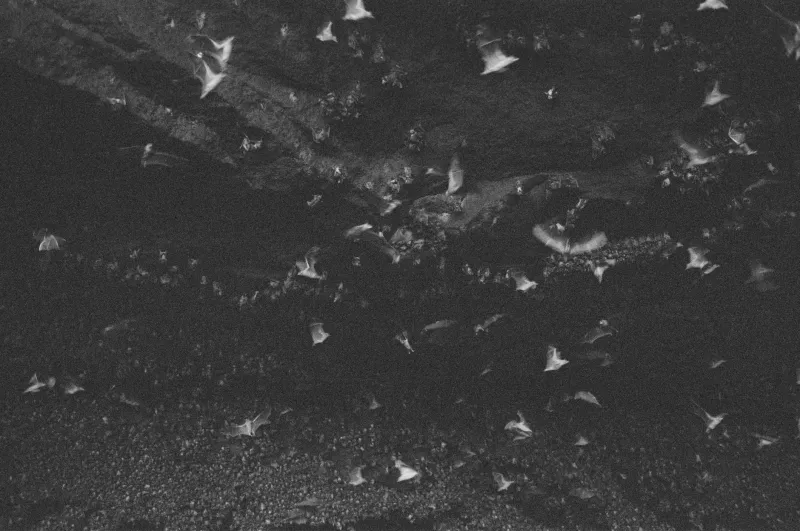
Dr. Lytle Adams was not a military strategist. He was not a weapons engineer. He was a dentist and an inventor who happened to be returning from a vacation to Carlsbad Caverns in New Mexico when the attack on Pearl Harbor happened in December 1941. Watching the news, Adams did what most Americans did: he thought about how to strike back. But unlike most Americans, his mind went immediately to the millions of Mexican free-tailed bats he'd just watched pour out of those caverns at dusk.
 Photo: Carlsbad Caverns, via media.schoandjo.com
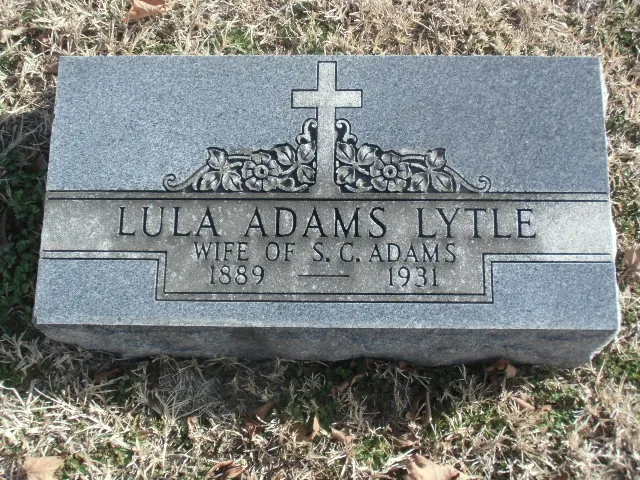 Photo: Dr. Lytle Adams, via images.findagrave.com
His logic was strange but not entirely unreasonable. Japanese cities at the time were densely packed with wooden and paper structures. Bats could carry small loads. Bats naturally seek dark, enclosed spaces to roost — like attics, wall cavities, and the understructures of buildings. If you could attach a small timed incendiary device to each bat and release thousands of them over a city just before dawn, they would scatter across the urban landscape, crawl into every tight space they could find, and then — when the timers went off — start fires simultaneously in hundreds of locations that firefighters couldn't possibly reach quickly enough.
Adams wrote it all up in a letter and sent it to Eleanor Roosevelt, who passed it to her husband. Roosevelt reportedly called the concept "wild and visionary" — and then approved it for development anyway.
Project X-Ray Gets Serious
The program that emerged was called Project X-Ray, and by any measure, it was a genuine military undertaking. The National Defense Research Committee got involved. So did the Army Chemical Warfare Service. Researchers tested dozens of bat species for load-bearing capacity, temperature tolerance, and hibernation behavior — because the plan involved chilling the bats into a torpor for transport and then releasing them in modified bomb casings that would open at altitude, giving the animals time to wake up and disperse before landing.
The incendiary devices themselves were the work of Louis Fieser, the Harvard chemist who also developed napalm. Each unit weighed about 17 grams — small enough that a bat could carry it without being grounded. Fieser's team produced thousands of them.
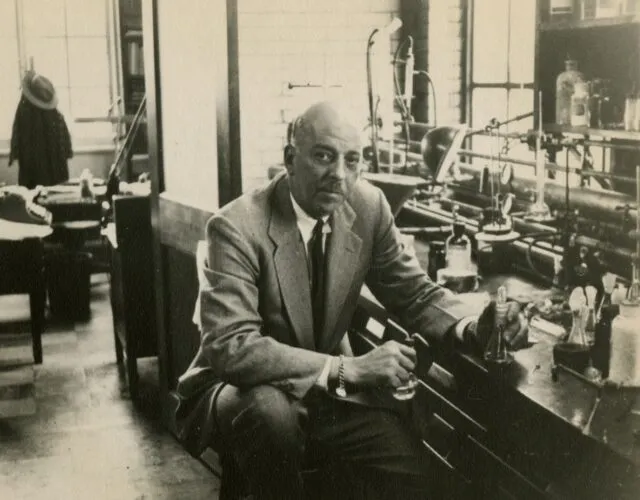 Photo: Louis Fieser, via www.sciencehistory.org
Testing began in the New Mexico desert. The results were alarming in the best possible way — from a military effectiveness standpoint, at least. In controlled tests, bat-delivered incendiaries started fires across a far wider area than conventional bombs of equivalent weight. One NDRC report estimated that a single B-29 carrying bat bombs could theoretically ignite fires across an area several times larger than what the same aircraft could achieve with standard ordnance.
By 1943, the program had consumed roughly two million dollars — closer to thirty million in today's money — and was considered promising enough to transfer to the Marine Corps for further development.
The Day the Bats Won
And then came the incident that Project X-Ray's boosters would spend decades trying to explain away.
During a test run at the Carlsbad Army Airfield Auxiliary in New Mexico, a small number of bats carrying armed incendiary devices escaped from their containers before the controlled portion of the test began. The animals did exactly what bats do: they found enclosed spaces to roost in. Specifically, they found the fuel storage structures and a general's personal vehicle on the base.
The resulting fires destroyed a significant portion of the facility. The U.S. military had successfully bombed itself. With bats.
The program survived that embarrassment but not the arrival of a faster alternative. By 1944, the Manhattan Project was consuming resources, attention, and urgency at a scale that left little room for unconventional programs. Project X-Ray was quietly shelved. According to one account, a Marine Corps general who had championed the program was told the atomic bomb had made his bats unnecessary. He reportedly replied that it was a shame, because the bats would have worked.
The Debate That Never Quite Died
Military historians have returned to Project X-Ray repeatedly over the decades, and the uncomfortable conclusion many of them reach is that the general might not have been wrong. The incendiary bat, as a weapons concept, had genuine technical merit. The targeting logic was sound. The scale was achievable. Several analysts who have studied the program suggest it could have caused catastrophic urban fires across multiple Japanese cities at a fraction of the cost — and without the radiation effects — of atomic weapons.
That's not an argument for the program. It's just a reminder that the line between a crackpot idea and a military breakthrough is often nothing more than timing, resources, and whether or not your test bats set fire to the right building.
Lytle Adams, the dentist who started all of this, went back to Pennsylvania after the war. He never stopped believing his idea had been sound. He was probably right. The bats, for their part, were unavailable for comment.