The Criminal Who Became the Wine Industry's Secret Weapon
The Unlikely Education of a Criminal Mastermind
In the shadowy world of 1920s bootlegging, most criminals focused on quantity over quality. Move the product, make the money, stay ahead of the feds. But George Remus wasn't like most criminals. The Cincinnati lawyer turned liquor kingpin had an obsession that would accidentally transform him into one of America's most knowledgeable wine and spirits experts—all while breaking federal law on an industrial scale.
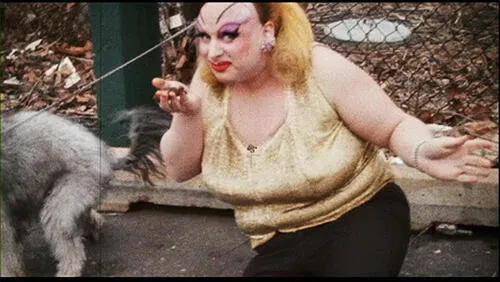 Photo: George Remus, via images.fandango.com
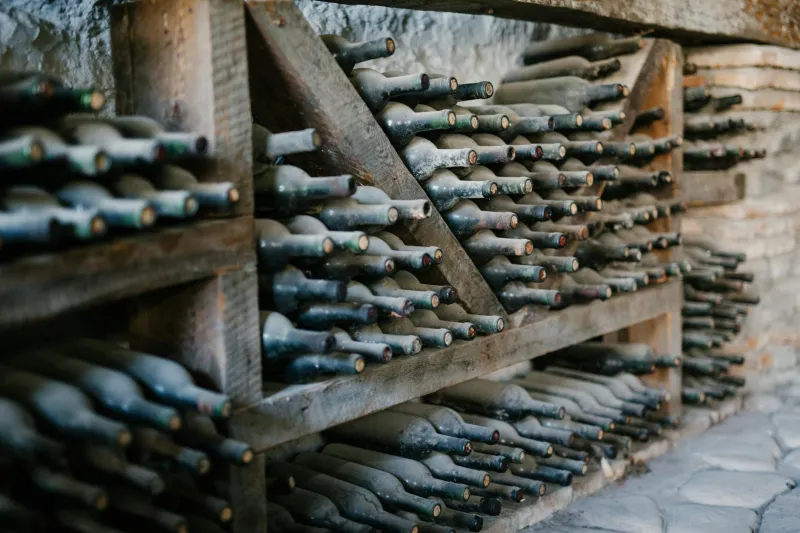
Remus didn't just smuggle alcohol; he studied it. In his network of hidden warehouses across the Midwest, he maintained what amounted to an underground graduate program in viticulture and distillation. While other bootleggers watered down their whiskey and passed off bathtub gin as premium spirits, Remus was conducting blind tastings, analyzing fermentation processes, and building what may have been the most comprehensive illegal wine library in American history.
The Professor of Prohibition
What started as quality control evolved into genuine expertise. Remus hired European immigrants who had worked in vineyards and distilleries before coming to America. He paid them handsomely to teach him everything they knew about wine production, aging processes, and the subtle art of blending spirits. His warehouses became classrooms where federal fugitives learned about tannins, sulfites, and the proper temperature for storing vintage Bordeaux.
By 1925, Remus could identify the region, year, and grape variety of most European wines by taste alone. He understood the chemistry behind bourbon aging better than many legitimate distillers. His bootleg operation had accidentally become the most sophisticated wine and spirits education program in the country—it just happened to be completely illegal.
The Industry's Desperate Hour
When Prohibition ended in 1933, America's wine industry faced a crisis. Fourteen years of illegal production had decimated institutional knowledge. Legitimate wineries had shuttered, experienced vintners had died or moved away, and an entire generation of American wine drinkers had grown up on whatever rotgut they could find. The industry needed to rebuild from scratch, but the expertise simply wasn't there.
That's when someone remembered the bootlegger who had always delivered the highest quality product. Word spread quietly through industry circles about a former criminal whose palate and knowledge rivaled European masters. Nobody asked too many questions about where he'd learned what he knew.
From Fugitive to Consultant
Remus reinvented himself as a wine consultant with suspicious ease. His first client, a struggling Ohio winery, hired him to evaluate their grape selection and fermentation process. Within six months, they were producing wines that competed with established California vineyards. Word spread, and soon distilleries across the Midwest were quietly seeking his advice.
The irony was lost on no one who knew the full story. The same man who had helped circumvent Prohibition was now helping the legal alcohol industry rebuild what Prohibition had destroyed. His criminal expertise had become their salvation.
The Secret Everyone Ignored
By 1940, Remus was consulting for some of the most respected names in American wine and spirits. His recommendations influenced everything from grape varietals to barrel aging techniques. Industry publications quoted him as an authority, and his taste-testing skills were legendary among vintners who could afford his services.
Nobody in the legitimate industry seemed particularly interested in examining his credentials too closely. When pressed about his background, Remus would vaguely reference "extensive experience in quality control" and "years of studying European techniques." It was technically true, even if those years had been spent avoiding federal agents.
The Legacy of Criminal Expertise
Remus continued consulting well into the 1950s, helping establish quality standards that influenced American wine production for decades. Some of the techniques he championed—particularly his methods for evaluating wine aging—became industry standards. His influence on post-Prohibition American viticulture was profound and lasting.
The strangest part? Many of the wines and spirits that won awards in the 1940s and 1950s were produced using knowledge gained from criminal operations. The very industry that Prohibition was designed to destroy ended up being rebuilt by someone whose expertise came entirely from breaking Prohibition laws.
Today, wine historians occasionally stumble across references to Remus in industry archives, usually described as a "consultant with extensive pre-war experience." They have no idea they're reading about one of America's most successful bootleggers, whose criminal education accidentally saved an entire industry.