The Attorney Who Ended Up Arguing Against His Own Evidence — and Still Won the Case
When Your Past Client Becomes Your Present Problem
Picture this: you're three days into defending your client when you realize the prosecution's key witness is someone you helped beat a fraud charge just two years earlier. Not only that, but the testimony he's about to give directly contradicts the defense strategy you crafted for him back then.
That's exactly what happened to Chicago defense attorney Marcus Holloway in the winter of 1923, creating what legal scholars still call the most ethically tangled case in Illinois courtroom history.
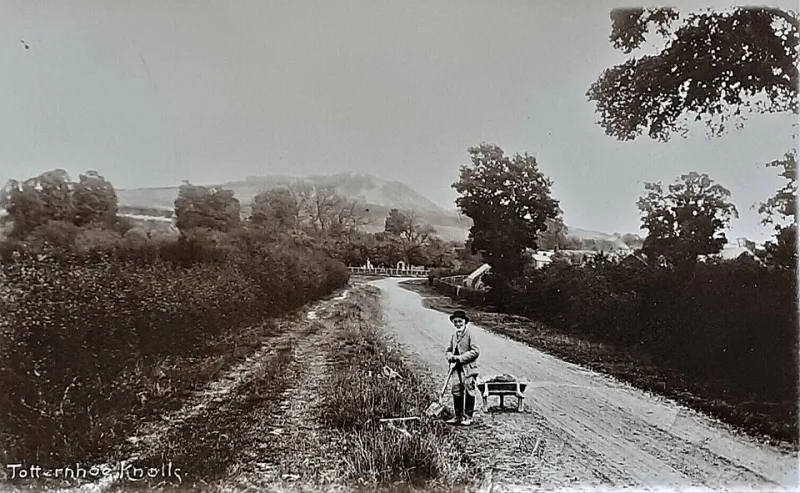
 Photo: Marcus Holloway, via i.pinimg.com
The Setup That Nobody Saw Coming
Holloway was representing Samuel Chen, a restaurateur accused of running an illegal gambling operation in his basement. The case seemed straightforward until day three, when prosecutor William Garrett called his star witness: Thomas "Tommy" Marconi, a former employee who claimed he'd seen Chen organizing high-stakes poker games.
As Marconi took the stand, Holloway felt a creeping sense of familiarity. When Marconi started describing his background — including a 1921 fraud conviction — the pieces clicked into place. Holloway had been Marconi's defense attorney for that very fraud case.
The ethical nightmare was just beginning.
The Judge Who Refused to Blink
Holloway immediately requested a sidebar with Judge Harrison Pike, explaining the conflict of interest. Any reasonable judge would have declared a mistrial on the spot. Judge Pike was not reasonable.
 Photo: Judge Harrison Pike, via wmdjfm.com
"Mr. Holloway," Pike reportedly said, "you took an oath to defend your current client to the best of your ability. I suggest you figure out how to do that within the bounds of the law."
Pike's logic was twisted but technically sound: Holloway couldn't reveal privileged information from his previous representation of Marconi, but nothing prevented him from cross-examining the man as an adverse witness.
What Pike didn't anticipate was how spectacularly this would backfire.
The Cross-Examination That Broke Every Rule
When Holloway stood to cross-examine Marconi, he faced an impossible situation. He knew Marconi was lying — not just because of attorney-client privilege, but because Marconi's testimony directly contradicted statements he'd made under oath in 1921.
Holloway couldn't reference those statements directly, but he could ask very specific questions about Marconi's character and past behavior. The result was the strangest cross-examination in courtroom history.
"Mr. Marconi," Holloway began, "would you describe yourself as someone who always tells the truth under oath?"
"Of course," Marconi replied.
"And you've never been in a situation where you might have... embellished certain details to help your case?"
Prosecutor Garrett objected, but Judge Pike — apparently enjoying the show — overruled.
Holloway continued this dance for two hours, asking questions so specific that Marconi began to sweat. The jury watched as the witness grew increasingly uncomfortable, though they had no idea why.
The Moment Everything Unraveled
The breakthrough came when Holloway asked Marconi about his "philosophy on gambling."
"I think it's wrong," Marconi said. "Always have."
"Always?" Holloway pressed. "You've never participated in gambling yourself?"
"Never."
Holloway paused dramatically. "Mr. Marconi, are you familiar with the Riverside Card Club?"
Marconi's face went white. The Riverside Card Club was where Marconi had been caught running his 1921 fraud scheme — a detail that was public record, meaning Holloway could reference it without violating privilege.
"I... I may have visited there once or twice," Marconi stammered.
"Visited? Or operated an illegal betting pool there for six months?"
Garrett's objections came too late. Marconi was already falling apart on the stand.
The Victory That Made No Sense
By the time Holloway finished his cross-examination, Marconi had contradicted himself seventeen times. The prosecution's star witness looked like a career criminal trying to cut a deal — which, it turned out, he was.
The jury deliberated for exactly forty-three minutes before returning a not guilty verdict.
Judge Pike later admitted he'd allowed the case to proceed because he wanted to see if the legal system could handle such an unusual situation. "Sometimes," he wrote in his memoirs, "the best way to serve justice is to let chaos run its course."
The Legal Scholars Who Couldn't Believe It
The case became required reading at Northwestern Law School, where Professor Helen Davenport called it "either the greatest example of creative advocacy or the worst breakdown of judicial oversight in American legal history."
The Illinois Bar Association launched an investigation but couldn't find any actual ethical violations. Holloway had never revealed privileged information, never lied to the court, and never failed to zealously represent his client.
He'd simply used his knowledge of Marconi's character — gained through legitimate public records — to expose the man's credibility issues.
The Aftermath That Nobody Expected
Chen was acquitted, but the real winner was legal precedent. The case established new guidelines for handling conflicts of interest in criminal proceedings, including mandatory disclosure requirements that might have prevented the whole mess.
Marconi, meanwhile, was charged with perjury based on his contradictory testimony. His new defense attorney? Not Marcus Holloway.
As for Holloway himself, he became something of a legend in Chicago legal circles. Lawyers would joke about "pulling a Holloway" when they managed to win despite impossible circumstances.
When the System Works Despite Itself
The strangest part of this whole story isn't that Holloway found himself arguing against his own evidence — it's that the outcome actually served justice. Chen was innocent of the gambling charges, and Marconi was indeed lying to cut a deal with prosecutors.
Sometimes the legal system's greatest victories come not from following the rules perfectly, but from proving that truth has a way of emerging even from the most chaotic circumstances.
Judge Pike summed it up best in his final ruling: "Justice, like nature, abhors a vacuum. When we create impossible situations, impossible solutions tend to present themselves."