The Mayor Who Won the Same Election Twice in One Night — While Already Being Mayor

When Democracy Glitches
In the sleepy town of Millbrook, Indiana, population 847, the 1973 mayoral election should have been routine. Incumbent Mayor Harold "Bud" Kowalski was running unopposed for his second term, the ballot was straightforward, and voter turnout was expected to be typical for a Tuesday in November.
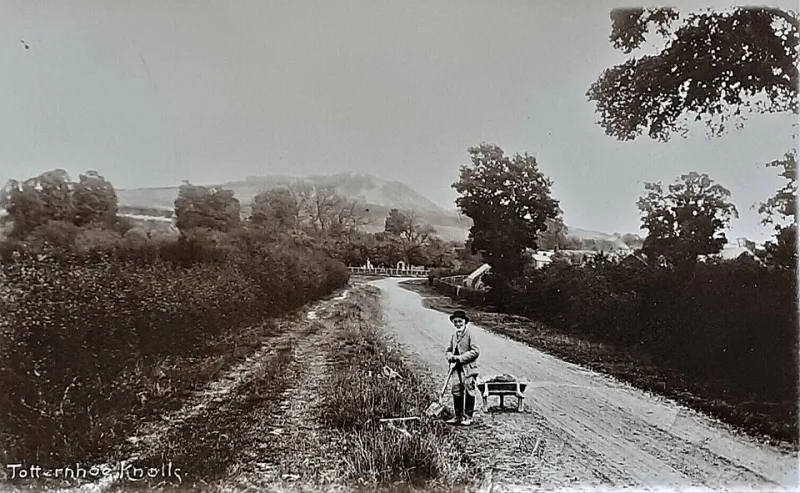
 Photo: Millbrook, Indiana, via photos.francisfrith.com
What nobody anticipated was that a simple clerical error would create one of the most baffling constitutional puzzles in small-town American history.
The Ballot That Broke Logic
The trouble began weeks before election day, when the county clerk's office prepared the official ballots. Due to a filing mix-up involving two different municipal positions, Mayor Kowalski's name appeared twice on the same ballot — once for "Mayor" and once for "Mayor (Unexpired Term)."
The "unexpired term" listing was supposed to refer to a separate special election to fill the remaining months of a previous mayor's term from 1971. That position had already been filled by Kowalski himself when he first took office. But somehow, both the completed term and the phantom vacancy ended up on the November ballot.
Election officials noticed the duplicate listing three days before voting began. However, Indiana state law prohibited ballot changes within 72 hours of an election, even for obvious errors. The county attorney advised that the election should proceed as printed, assuming voters would simply ignore the redundant entry.
They assumed wrong.
The Night Democracy Got Confused
On election night, something remarkable happened: Kowalski won both races. Not only did 312 residents vote for him as mayor, but 298 also voted for him to fill the "unexpired term" that he was already serving.
The election results, as officially certified, showed Harold Kowalski elected to two separate mayoral positions for the same town, during the same term period, for the same office.
When the results were announced at the town hall that evening, Kowalski himself seemed puzzled. "I guess the people really want me in office," he told the local newspaper. "Though I'm not sure what this means exactly."
Neither was anyone else.
The Constitutional Knot Nobody Could Untie
The legal questions multiplied immediately. Did Kowalski now serve two concurrent terms as mayor? Had his original term been reset by the new election? Was he legally required to take two oaths of office? Could he technically vote against himself in city council meetings?
More practically: What was his salary? Did he get paid twice? Did his term end in four years or eight?
The town's attorney, Margaret Hensley, spent weeks researching precedents and found exactly none. "There's no law covering this situation because nobody ever imagined it could happen," she later recalled. "The legal framework assumes basic logic that apparently doesn't always apply."
Indiana's Secretary of State office was equally stumped. State election law provided clear procedures for disputed elections, recounts, and even ties. But there was no provision for what to do when someone won the same office twice in one election.
Bureaucracy Meets the Absurd
For three months, Millbrook existed in a administrative twilight zone. Kowalski continued performing mayoral duties, but official documents couldn't be properly filed because nobody knew which "term" to reference. State funding requests were delayed because grant applications required a clear term start date.
The situation became more surreal when the Indiana Municipal League requested clarification on Kowalski's voting rights at their annual conference. Did he get one vote as mayor, or two votes for holding two mayoral positions? The league ultimately decided he could attend but couldn't vote on anything until the legal status was resolved.
Local newspapers picked up the story, and Millbrook briefly became famous for all the wrong reasons. The headline in the Indianapolis Star read: "Town Elects Mayor Twice, Lawyers Baffled."
The Solomon-Like Solution
The resolution came from an unexpected source: Kowalski himself. In February 1974, he formally resigned from one of his mayoral positions — specifically, the "unexpired term" that had already expired.
This creative solution satisfied the legal requirements while acknowledging the absurdity of the situation. His resignation letter, preserved in the town archives, reads in part: "I hereby resign from the mayoral position I should not have been elected to, in order to continue serving in the mayoral position I should have been elected to."
The county clerk accepted the resignation, officially ending what local historians now call "The Three-Month Constitutional Crisis."
The Aftermath That Changed Everything
The Millbrook incident prompted Indiana to revise its municipal election laws. The state now requires county clerks to verify all ballot entries against current office holders, and provides emergency procedures for correcting obvious errors even within 72 hours of an election.
Kowalski served out his term normally and was re-elected (once) in 1977. He remained mayor until 1985, though he never again appeared twice on the same ballot.
The original ballot from November 1973 is now displayed in the Millbrook Historical Society, labeled simply: "The Night Democracy Hiccupped."
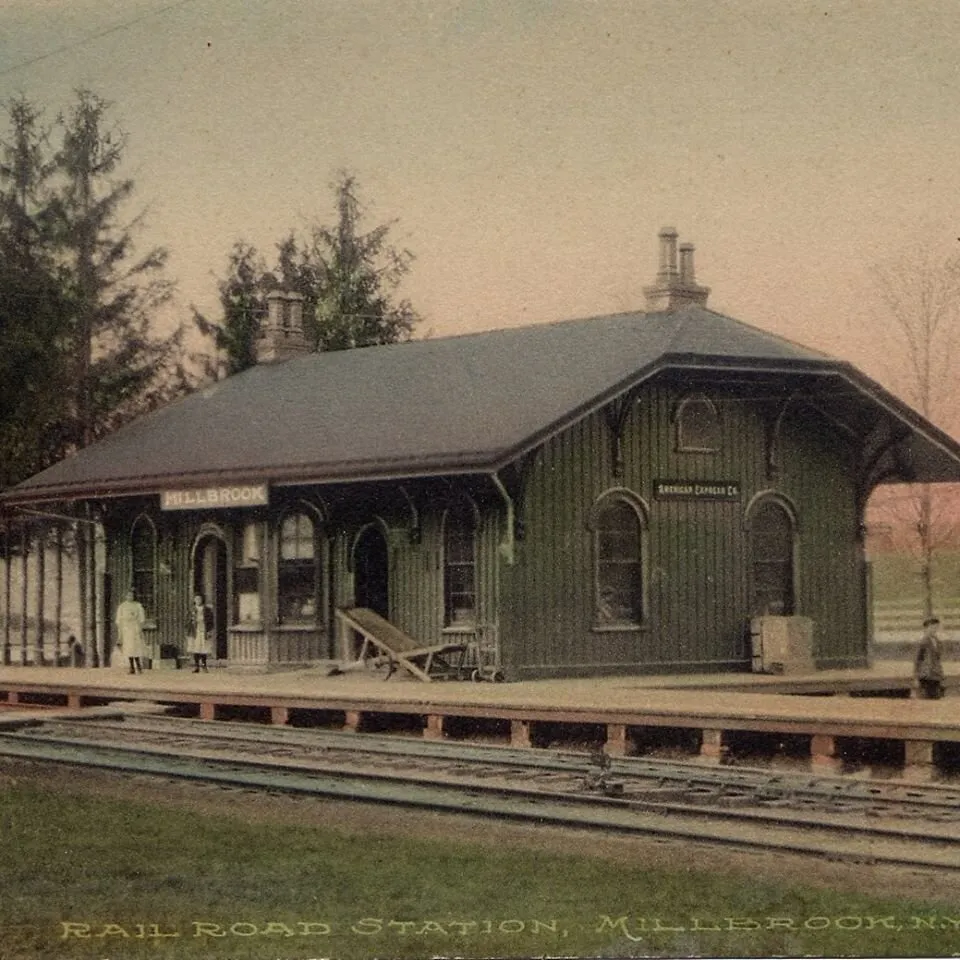 Photo: Millbrook Historical Society, via images.squarespace-cdn.com
When asked about the experience years later, Kowalski maintained his sense of humor about the situation. "I always said I'd give 200 percent to the job," he joked. "I just never expected the voters to take me literally."