The Town That Killed Itself on Paper — Then Came Back to Life Through a Pothole
The Great Escape That Wasn't
Imagine voting your entire town out of existence, only to watch it zombie its way back to life through the most mundane bureaucratic loophole imaginable. That's exactly what happened to the residents of a small American municipality who thought they'd found the perfect escape from their financial troubles — until a pothole proved them spectacularly wrong.
The story begins like many small-town nightmares: mounting debt, declining population, and a tax base that couldn't support basic services. Faced with bankruptcy and state intervention, the town council made what seemed like a brilliant decision. They would simply vote themselves out of existence.
"We figured if we don't exist, we can't owe money," explained one former council member, capturing the desperate logic that drove their unprecedented decision.
Democracy in Reverse
The dissolution process seemed straightforward enough. Following state procedures, the town held a referendum where residents voted overwhelmingly to dissolve their incorporation. The paperwork was filed, the state acknowledged the dissolution, and just like that, the town ceased to exist as a legal entity.
For the first time in over a century, the area reverted to unincorporated county land. Street signs came down, the tiny city hall closed, and residents assumed they were free from municipal taxes and regulations. The great experiment in civic suicide appeared to be a complete success.
But here's where reality gets stranger than fiction: nobody bothered to check what happens to municipal infrastructure when a town legally dies.
The Pothole That Raised the Dead
Two years into their post-municipal existence, residents noticed a particularly nasty pothole developing on what used to be Main Street. Winter freeze-thaw cycles had turned a minor crack into a genuine hazard that was damaging cars and frustrating the mail carrier.
A group of concerned former citizens contacted the county about repairs, but the county claimed the road wasn't their responsibility — it had been a municipal street when the town existed. The state said the same thing. Nobody wanted to own the problem.
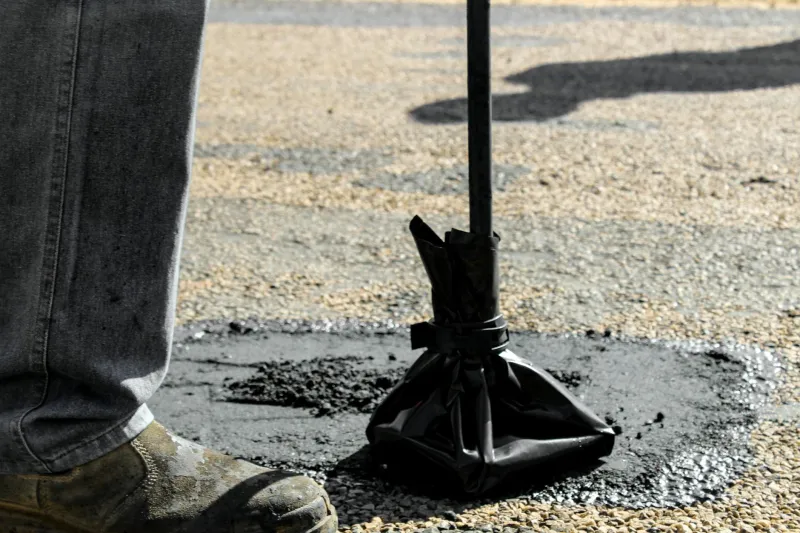
Frustrated residents decided to fix it themselves. They pooled money, hired a local contractor, and filled the pothole. To make everything official, they filed a work order with the state transportation department, listing their old municipal name as the requesting entity.
That's when things got weird.
The Legal Zombie Awakens
Buried deep in the state's municipal code was an obscure statute dating back to the 1920s. The law stated that any dissolved municipality that "undertakes public works projects or exercises municipal authority" could be automatically reinstated as an incorporated entity — no vote required.
The pothole repair, filed under the town's former name, triggered this forgotten provision. Suddenly, the town was legally alive again.
"We got a letter from the state saying 'Congratulations on your reincorporation,'" recalled one resident. "We thought it was a joke."
But it wasn't. The town was back, complete with all its previous debts, obligations, and legal responsibilities. The very financial problems they'd tried to escape through dissolution had returned like a bureaucratic boomerang.
Living in Legal Limbo
What followed was three years of administrative chaos that would make Kafka proud. The town existed on paper but had no government. The old council had disbanded, but someone needed to make decisions. Residents were technically subject to municipal laws that nobody was enforcing.
The state demanded they elect new officials and resume normal municipal operations. But many residents had moved away after dissolution, and those who remained were split between embracing their accidental reincorporation and trying to dissolve again.
Meanwhile, bills kept arriving. The post office delivered tax assessments to a city hall that no longer existed. The state sent compliance notices to officials who had resigned years earlier. Residents found themselves in the surreal position of owing money to a government that may or may not have been real.
The Paperwork Trail to Nowhere
The legal confusion revealed something unsettling about how fragile our civic infrastructure really is. Modern life depends on an intricate web of bureaucratic relationships that most people never think about until they break down.
"You don't realize how much paperwork keeps society running until it all goes sideways," observed a state municipal affairs officer who worked on the case. "This town was stuck between existing and not existing, and nobody had procedures for that."
The situation created practical nightmares. Were residents subject to municipal taxes? Could they vote in local elections that technically didn't exist? If someone committed a crime, which court had jurisdiction?
Resolution Through Resignation
The bizarre saga finally ended when residents held another referendum — this time to formally accept their accidental reincorporation and elect a new government. The alternative, they discovered, was potentially years more of legal limbo while courts sorted out their status.
The new council's first official act was establishing procedures for road maintenance that wouldn't accidentally trigger any more obscure statutes.
Today, the town exists again, complete with its original debt problems and a healthy skepticism about bureaucratic loopholes. The infamous pothole has been repaired several times since, but now they make sure to file the paperwork very, very carefully.
The Moral of the Pothole
This story reveals how the mundane machinery of government operates through countless interconnected rules that nobody fully understands. A town can vote itself out of existence, but apparently, it can also pothole itself back into being.
In the end, the residents learned that you can run from municipal debt, but you can't hide from the administrative state — especially when it has a sense of humor about road repairs.