The Name That Wouldn't Die
Most towns get their names from noble origins—founding fathers, geographical features, or hopeful aspirations. Embarrassment, Kansas got its name because the railroad surveyor who platted it in 1887 was drunk, couldn't spell "Embarras" (French for "obstruction"), and nobody bothered to fix the paperwork for over a century.
 Photo: Embarrassment, Kansas, via t4.ftcdn.net
By 1994, the 127 residents of this tiny farming community had finally reached their breaking point. It wasn't just the constant jokes from outsiders or the snickering when they gave their address. The name had become a genuine economic liability. Businesses refused to relocate to a town called Embarrassment. Tourism was non-existent. Even the post office workers in neighboring towns made jokes when sorting the mail.
So the town council did something unprecedented in municipal history: they decided to kill their name with an actual funeral.
Planning a Municipal Memorial
The idea came from Martha Henderson, the town librarian and self-appointed keeper of local history. "If we're going to get rid of this name," she announced at a packed town hall meeting, "we should do it properly. This name has been part of our community for 107 years. It deserves a decent burial."
What followed was three months of the most elaborate funeral planning in Kansas history. The town formed committees for everything: casket construction, eulogy writing, program printing, and—most importantly—media relations. Word had gotten out about Embarrassment's unusual solution to its naming problem, and reporters from across the Midwest were calling.
Local carpenter Jim Kozlowski volunteered to build a coffin specifically for the occasion. "I've built caskets for people," he told the Topeka Capital-Journal, "but never for a word before. Had to think about the right dimensions for 'Embarrassment.'" He settled on a standard adult-sized coffin, painted it municipal green, and stenciled "EMBARRASSMENT, KS 1887-1994" on the lid in gold letters.
The Funeral That Made Headlines
September 17, 1994, dawned clear and unusually warm for a Kansas autumn. By 10 AM, more than 300 people had gathered in Embarrassment's tiny downtown—triple the town's actual population. License plates from six different states filled the grain elevator parking lot that served as overflow parking.
The ceremony began at the town's only church, a modest Methodist building that hadn't seen this many people since the harvest festival of 1963. Pastor Williams, who had initially been skeptical of the whole affair, delivered a surprisingly moving eulogy for the departed name.
"Embarrassment served this community faithfully for over a century," he intoned, while television cameras rolled. "It put us on the map, quite literally. It gave us identity, even if we didn't always appreciate that identity. Today we lay it to rest not in anger, but in gratitude for its service and hope for our future."
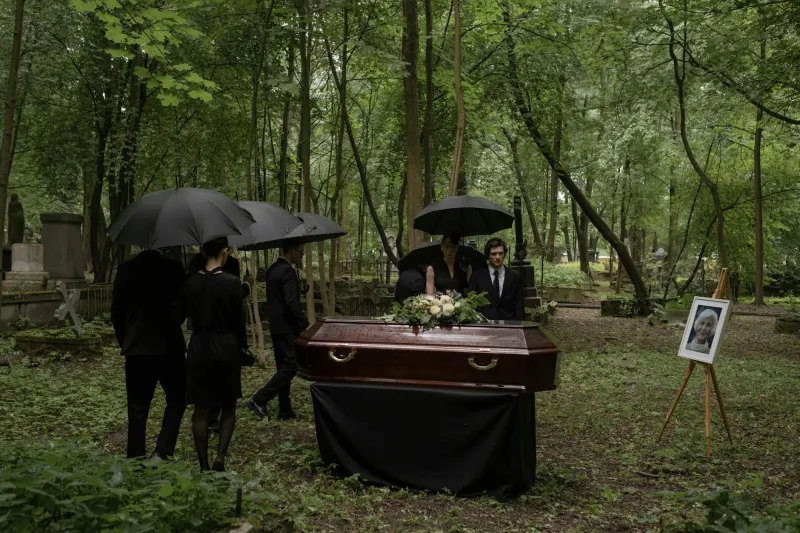
The processional that followed was unlike anything Kansas had ever seen. The coffin, carried by six town council members, led a parade down Main Street (all four blocks of it) to the cemetery. Behind them walked the entire population of Embarrassment, followed by reporters, photographers, and curiosity seekers from across the region.
The Bureaucratic Backlash
But the most unexpected mourner was Dr. Elizabeth Cromwell from the Kansas State Historical Society, who had driven down from Topeka specifically to object to the proceedings. As the crowd gathered around the freshly dug grave, Dr. Cromwell stepped forward and requested permission to speak.
"This is more than just a publicity stunt," she announced to the surprised assembly. "You're erasing 107 years of documented history. Embarrassment, Kansas appears in federal census records, railroad documents, and agricultural reports dating back to the 1880s. When you bury this name, you're burying all of that documentation."
The crowd fell silent. Nobody had considered the archival implications of their symbolic funeral. Dr. Cromwell continued: "The Kansas Historical Society formally objects to this name change on the grounds that it constitutes destruction of historical evidence. We're prepared to file an injunction."
What followed was the most surreal legal argument in Kansas municipal history, conducted graveside with a coffin full of dirt and a crowd of onlookers. Town attorney Robert Nash, who had volunteered his services for free, found himself debating the legal status of symbolic burials while standing next to an open grave.
Compromise at the Cemetery
The solution came from an unexpected source: Martha Henderson, the librarian who had started it all. She proposed a compromise that satisfied both the town's desire for change and the historical society's concerns about preservation.
"We'll bury the name," she announced, "but we won't forget it. The historical record will show that Embarrassment, Kansas existed from 1887 to 1994, and then became Dignity, Kansas. The history stays intact, but the embarrassment ends here."
 Photo: Dignity, Kansas, via images.subsplash.com
Dr. Cromwell agreed to withdraw the historical society's objection in exchange for a promise that all official records would clearly document the name change rather than simply erasing the old name from existence.
The Resurrection Problem
The coffin was lowered into the ground with full ceremony, complete with a 21-gun salute from the local American Legion post. A headstone, carved by the same company that had made markers for the town cemetery since 1923, was unveiled: "Here Lies EMBARRASSMENT, KANSAS. Born 1887, Died 1994. 'It Seemed Like a Good Idea at the Time.'"
But the story doesn't end there. Three days after the funeral, the Kansas Secretary of State's office called with devastating news: the paperwork to officially change the town's name had been rejected due to a clerical error. Embarrassment, Kansas was legally still Embarrassment, Kansas.
The town had buried its name, issued death certificates, and held a wake—but the name was still officially alive in the eyes of the state government.
The Afterlife of a Dead Name
It took another six months of bureaucratic wrangling before Embarrassment could officially become Dignity. During that time, the town existed in a strange limbo: officially still Embarrassment, but with a grave marker declaring the name dead and buried.
Tourists began arriving specifically to see the "dead name's" grave. The cemetery, which hadn't had a visitor in years, suddenly needed a guest book. Local resident Agnes Murphy started selling "I Attended a Name's Funeral" t-shirts from her front porch and made more money in six months than the local grain elevator had in two years.
Today, Dignity, Kansas is a thriving community of nearly 200 residents. The name change attracted the attention they'd hoped for, bringing in new businesses and residents who appreciated a town willing to confront its past head-on.
But the grave marker for "Embarrassment" remains the town's most popular tourist attraction. The historical society, which once objected to the burial, now includes it on their official Kansas roadside attractions map.
Sometimes the best way to honor your history is to bury it properly—with full ceremony, legal documentation, and a really good headstone.