The Most Delicious Military Classification
While other countries rationed sugar and dreamed of chocolate, the United States Navy was busy creating what might be history's sweetest military position: Official Ice Cream Taster. This wasn't some informal role or a joke assignment — it was a legitimate federal job classification, complete with rank, salary, and the kind of serious responsibility that could affect the outcome of World War II.
The position existed because the Navy had discovered something remarkable: ice cream wasn't just dessert, it was a weapon of war. Not in any literal sense, but in terms of morale, which military strategists recognized as crucial to victory as ammunition or fuel. A well-fed, happy sailor fought harder, stayed loyal longer, and maintained better discipline under pressure.
When Dessert Became a Matter of National Security
The Navy's ice cream obsession began with a practical problem. Traditional methods of boosting troop morale — letters from home, entertainment shows, shore leave — weren't always available in the middle of the Pacific Ocean. But ice cream? Ice cream was universal. It reminded soldiers of home, provided comfort during stress, and created moments of genuine happiness in otherwise brutal circumstances.
What started as informal ice cream making aboard ships quickly evolved into an official program. The Navy established ice cream production standards, created specialized equipment, and eventually designated trained personnel whose entire job was ensuring that American sailors had access to the highest quality frozen desserts possible.
The Official Ice Cream Taster was responsible for quality control across the entire naval ice cream operation. This person evaluated flavor consistency, texture standards, temperature requirements, and overall product quality. Their recommendations influenced procurement decisions, production methods, and distribution strategies across the entire Pacific fleet.
The Floating Dairy That Changed Naval Warfare
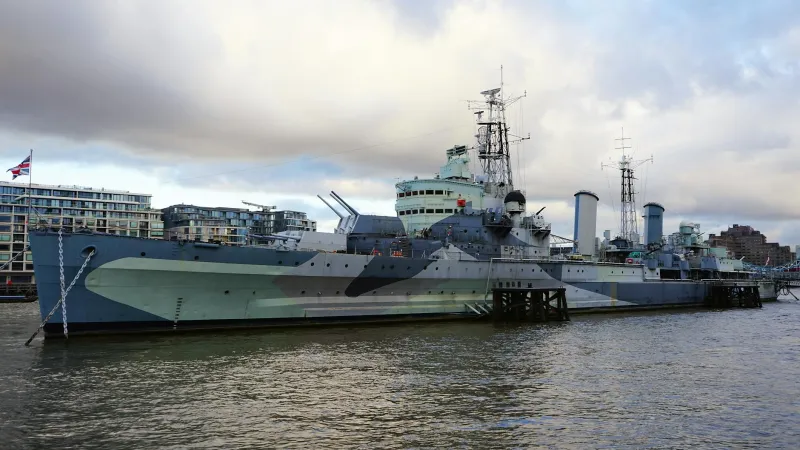
The Navy's commitment to ice cream reached its pinnacle with the construction of the world's largest floating ice cream barge. Built in 1945, this specialized vessel could produce over 10 gallons of ice cream every seven minutes — enough to supply an entire aircraft carrier's crew with dessert multiple times per day.
The barge wasn't just large; it was sophisticated. It featured multiple production lines, refrigeration systems that could operate in tropical heat, and storage capacity for thousands of gallons of finished product. The vessel required a crew of trained ice cream technicians who understood both naval operations and dairy science.
Construction costs for the ice cream program, including the barge, specialized equipment, and personnel training, reached what would be equivalent to tens of millions of dollars today. Military officials justified these expenses by pointing to measurable improvements in sailor morale, reduced disciplinary problems, and better retention rates among crews with regular access to quality ice cream.
The Science of Military Morale Through Dairy Products
The Navy's approach to ice cream wasn't casual or accidental. Military psychologists had studied the relationship between comfort foods and combat effectiveness, discovering that familiar tastes from home could significantly impact a soldier's mental state and performance.
Ice cream represented more than dessert — it symbolized American abundance, technological capability, and concern for individual welfare. When enemy forces discovered that American ships carried ice cream production facilities, it became a powerful psychological weapon. The message was clear: America was so confident and well-supplied that it could afford to make ice cream in the middle of a war zone.
The Official Ice Cream Taster played a crucial role in maintaining this psychological advantage. Poor quality ice cream would undermine the entire program's effectiveness. Sailors who expected creamy vanilla and received icy, flavorless substitutes wouldn't experience the morale boost that justified the program's existence.
Quality Control in the Combat Zone
The Ice Cream Taster's responsibilities were surprisingly complex. They needed to evaluate products made under challenging conditions — tropical heat, limited fresh ingredients, and equipment that operated while ships rolled in heavy seas. Maintaining consistency across different vessels, climates, and supply situations required genuine expertise.
Tasters developed detailed evaluation criteria covering texture, flavor intensity, temperature stability, and ingredient quality. They created standardized testing procedures that could be implemented across the fleet, ensuring that a sailor's ice cream experience was similar whether they served on a destroyer in the Atlantic or a carrier in the Pacific.
The position also required diplomatic skills. Ice cream tasters often had to deliver negative evaluations to ship's cooks who took pride in their dessert production. Balancing quality standards with crew morale required tact, professionalism, and the ability to provide constructive feedback under military discipline.
The Sweet Victory of American Innovation
By war's end, the Navy's ice cream program had become legendary. Enemy soldiers reportedly expressed more envy for American ice cream access than for American weapons technology. Japanese prisoners of war frequently mentioned ice cream when describing what impressed them most about American military capabilities.
The program's success validated the military's understanding that small comforts could have enormous strategic impact. Well-fed, happy troops performed better in every measurable category. The investment in ice cream production and quality control paid dividends in terms of combat effectiveness and unit cohesion.
The Legacy of Military Dessert Innovation
After the war, many ice cream production techniques developed for naval use found their way into civilian industry. The Navy's focus on quality control, consistency, and large-scale production influenced commercial ice cream manufacturing for decades.
The Official Ice Cream Taster position was quietly phased out as military priorities shifted, but its existence represents a uniquely American approach to warfare — the belief that taking care of individual soldiers' comfort and morale was a legitimate military strategy worthy of significant investment.
Today, when military historians discuss innovative approaches to troop welfare, the Navy's ice cream program stands as an example of how creative thinking about soldier needs could provide unexpected strategic advantages. Sometimes the sweetest victories come from the most unexpected places.