When Congress Nearly Made a Drinking Song America's National Anthem — Because They Thought It Was Patriotic
The Joke That Went Too Far
In 1916, when vaudeville comedian Jimmy "Slapstick" Morrison sat down in a Chicago saloon to write what he called "the most ridiculous patriotic song imaginable," he had no intention of creating a national incident. His goal was simple: mock the overwrought political rhetoric of the era by writing lyrics so absurdly pompous that anyone would recognize them as satire.
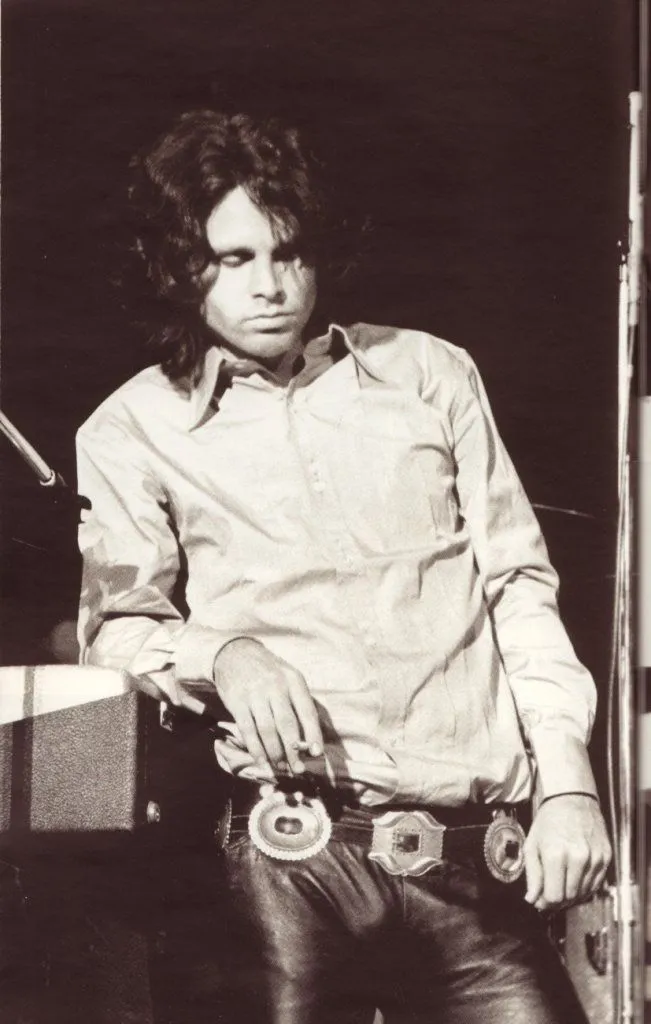 Photo: Jimmy "Slapstick" Morrison, via s-media-cache-ak0.pinimg.com
Two years later, Morrison watched in horror as the United States Congress seriously debated making his drinking song the official national anthem of America.
The Song That Started as a Punchline
Morrison's creation, originally titled "Columbia's Eternal Thunder," was designed for his comedy act. The lyrics combined every patriotic cliché he could imagine into an increasingly ridiculous crescendo of American exceptionalism. Sample verses included lines like "Our eagles soar on freedom's wind, while liberty's sweet nectar flows" and "From sea to shining sea we stand, defenders of democracy's sacred flame."
The melody was intentionally derivative — Morrison had borrowed heavily from popular marching songs and added what he described as "enough trumpet-sounding bits to make it seem important." He performed it during his comedy sets as "the kind of song politicians would write if they were trying too hard."
The audience always laughed. That was the point.
When Satire Became Sincere
The trouble began when Morrison performed at a war bond rally in Detroit in late 1917. The event's organizers had specifically requested "patriotic material," and Morrison decided to test whether his obviously satirical song would be recognized as comedy in a serious setting.
It wasn't.
The crowd gave "Columbia's Eternal Thunder" a standing ovation. Local newspapers praised it as "a stirring anthem for our times." The Detroit Free Press called it "the most genuinely American song we've heard since the war began."
Morrison was baffled, but he was also a performer who recognized a good thing. When requests started pouring in for sheet music, he quietly dropped the song from his comedy act and began marketing it as a legitimate patriotic anthem.
The Momentum That Nobody Could Stop
By early 1918, "Columbia's Eternal Thunder" had spread beyond Detroit. Military bands were performing it at recruitment events. School children were learning it in music class. The song had somehow transformed from obvious parody into what many Americans believed was the most patriotic composition of the war era.
The transformation was so complete that Morrison himself began to doubt his original intentions. "Maybe I accidentally wrote something genuinely inspiring," he told a reporter from the Chicago Tribune. "Sometimes art surprises even the artist."
The song's popularity caught the attention of Congressman Frederick Dalton of Massachusetts, who had been advocating for America to adopt an official national anthem. The country had been using "The Star-Spangled Banner" informally, but it had never been officially designated by Congress.
When Congress Got Involved
In March 1918, Dalton introduced House Resolution 412, which proposed adopting "Columbia's Eternal Thunder" as America's official national anthem. His reasoning was straightforward: unlike "The Star-Spangled Banner," which referenced a specific historical event, Morrison's song captured what Dalton called "the eternal spirit of American democracy."
The resolution gained surprising support. Seventeen congressmen signed on as co-sponsors, including the chairman of the House Committee on Military Affairs. The song had somehow convinced seasoned politicians that it represented the pinnacle of patriotic expression.
Nobody involved in the legislative process seemed to realize they were debating the merits of what had started as a comedy routine.
The Committee Hearings That Defied Logic
The House Committee on Education held hearings on the resolution in April 1918. The proceedings, preserved in congressional records, reveal the extent to which Morrison's satire had been taken seriously.
Committee member James Richardson of Alabama praised the song's "sophisticated understanding of American democratic principles." Representative Charles Sloan of Nebraska called it "a masterwork of patriotic sentiment that speaks to the soul of our nation."
Morrison himself was called to testify about his "composition process." Under oath, he described how he had "drawn inspiration from the great democratic traditions of our republic" while writing the song. He wasn't technically lying — he had been inspired by those traditions, just not in the way the congressmen assumed.
The Moment Truth Almost Surfaced
The resolution might have passed if not for an unexpected intervention. During the final committee hearing, Representative Oscar Underwood of Alabama asked Morrison to perform the song live.
Morrison, still fundamentally a comedian, couldn't resist adding his usual theatrical flourishes. He sang "Columbia's Eternal Thunder" with the same exaggerated bombast he'd used in his original comedy performances, complete with dramatic gestures and vocal inflections that bordered on self-parody.
For the first time, some committee members began to sense something was amiss. Underwood later wrote in his diary: "Mr. Morrison's performance raised questions about whether he takes his own composition entirely seriously."
The Resolution That Quietly Died
As committee members began investigating Morrison's background more thoroughly, they discovered his career as a vaudeville comedian. The realization that they had been seriously considering adopting a comedy song as the national anthem created what congressional historians describe as "profound institutional embarrassment."
House Resolution 412 was quietly withdrawn in May 1918, with no official explanation. The committee records simply note that "further consideration has been postponed indefinitely."
Morrison, perhaps sensing the changing mood, announced that he was "donating" the song to the public domain and returning to "purely comedic material." He never again claimed credit for writing serious patriotic music.
The Legacy of a Successful Joke
"Columbia's Eternal Thunder" faded from public consciousness almost as quickly as it had appeared. By 1920, few Americans remembered the song that had once been considered for the highest patriotic honor.
Morrison returned to his comedy career, though he reportedly never again performed satirical political material. "I learned that Americans take their patriotism very seriously," he told a reporter in 1925. "Maybe too seriously to recognize a joke when they hear one."
The incident contributed to Congressional reluctance to rush into adopting an official national anthem. "The Star-Spangled Banner" wasn't officially designated until 1931 — partly because lawmakers wanted to be absolutely certain they weren't being fooled again.
In his later years, Morrison would occasionally tell the story of how his drinking song almost became America's national anthem. "I wrote the most ridiculous patriotic song I could imagine," he would say. "And that was apparently exactly what Congress was looking for."